Understanding Social Media
What is social media analytics? Why is it important? Two questions that will help bring your social media game up to the next level. Before we delve into the explanation, it is important to understand what social media is in general. You’ll be surprised how many people actually misunderstand social media. Sure, we could just chalk it all up to a few online platforms that brands use to sell things. But that is incredibly false to say!
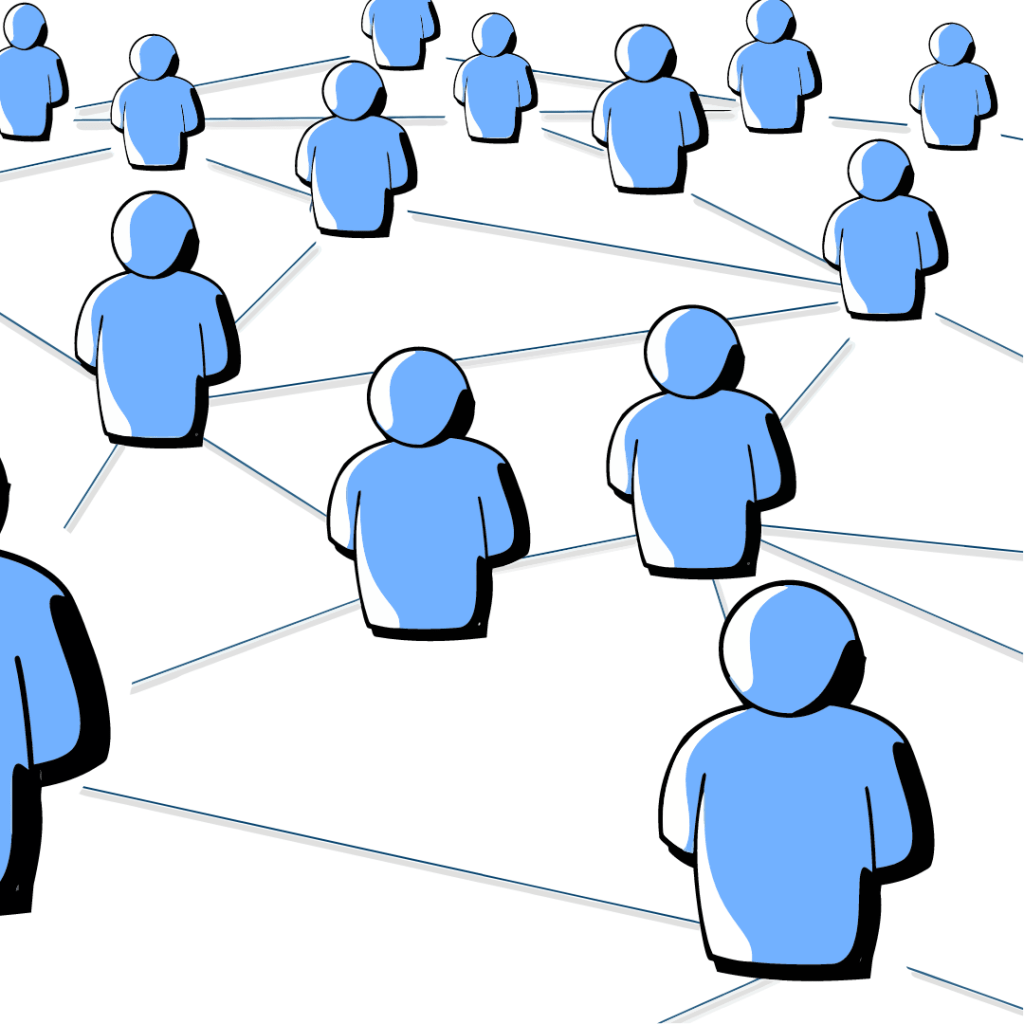
Social media, at its core is a series of networks and capabilities that connects you to someone or a group of people. It has become an entanglement of likes, shares, comments, interests and more! You are on social media to share some form of your life with people you know or people you’d like to know. It is an interactive place where people can find one another through hashtags, location, music, food and anything else that may seem of interest while also having the capability of being able to communicate with one another. Whether it is social networking sites such as Facebook, Instagram, Snapchat, Twitter or any other social media network (yes there are plenty more and different types as well). We all use social media to some degree! But I’ll save you the longer explanation of social media because I’m sure you already had a general idea of it anyway. Now, let’s talk about why you’re here, analytics!
An Overview of Social Media Analytics
Social media analytics is essentially a science that helps people and brands extract and break down valuable information from a wide range of structured and unstructured social media data to help make strategic decision making. So what does that all really mean? It is simply the act of extracting data that cannot be seen at first glance to help the goals of a brand or person. There are many layers to social media analytics; about 7-8 layers to be specific but again, I’ll save you those details for a later post. Let’s imagine that we are looking at a Facebook post. At first glance, we can see the comments, likes, shares and the time of day it was posted. While that information is considered data, social media analytics not only uses that data but also goes a step further in areas that a regular viewer passing by that post will not be able to see. If you are a creator of a post, a story or sharing something, you could have the access to explore your own social media analytics. You’ll be able to see impressions made, profile visits and other trends a viewer couldn’t see at just the first glance. A lot of the major social media networks like I had mentioned above, do offer some free tools to their users.
It is important to know that in order to pull good data, you’ll need a tool that specializes in breaking down that post you’re analyzing. You could try and do it without using a tool but it would take forever trying to sort through all of that especially the spam, bots and whatever else may be in the way of that real and raw data you’re seeking. Before anyone starts analyzing their data or considers investing into a program, it is extremely important to know what it is that you or your brand wants to figure out about their current and potential new audience or followers. If you distinguish what your goals are, this will help dictate what it is that you need out of a social media analytic tool as there are many.
A Step Further
If you really want to WOW someone when they ask you about social media analytics, tell them about the different types! This is equally just as important because it will help you better understand what it is that you’re hoping to do with your personal online networks or your brands. Social media analytics could take four forms from a business stand point:
- Descriptive Analytics – Describes the what happened and what is happening? This gives a general overview and visual of trends that can also pin point any problems or opportunities facing a brand.
- Diagnostic Analytics- This is the why something had happened? This data is broken down by analyzing past campaigns to help figure out what worked and what didn’t work.
- Predictive Analytics- This is when you’ll analyze massive amounts of data to help forecast what will happen if you or your brand launches a particular campaign.
- Prescriptive Analytics- Depending on the scenario you or your brand may be facing, this will help compile data as an effort to make the best suggestion possible for your next move.
There is plenty more we could discuss about social media analytics. However, if you are just getting started into playing around with the analytical tools offered for free on some of the major social media networks; I recommend not overwhelming yourself! This post should leave you feeling a little more confident about the topic. Just think of social media analytics as a well-needed tool to help people and brands better understand their audience. There are of course many different types of social media analytical data and it is important to know what exactly it is that you are looking for. I recommend checking out my last blog post, Analyzing an Instagram Post. This dives more into the topic on a larger and more detailed scale to help give insight on different types of data and how to be able to utilize it.
Thanks for reading!
-Austin
 The Media Relations Nomad